Understanding Mini Split AC Systems
The mini split AC system has gained immense popularity over the last few years, becoming a go-to solution for homeowners and businesses alike. Unlike traditional HVAC systems that rely on ductwork, mini splits offer an innovative approach to heating and cooling spaces efficiently and effectively. This guide will explore the essential characteristics of mini split systems, their components, advantages, and considerations for potential buyers, particularly in the context of the current market trends for 2026.
What is a Mini Split AC System?
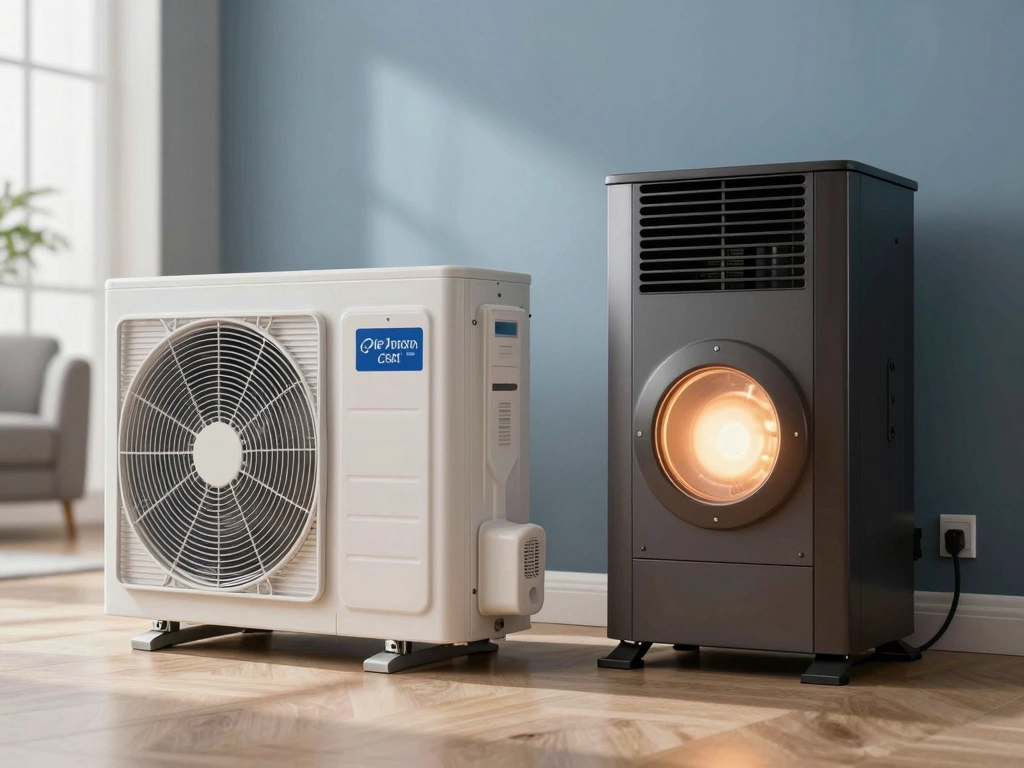
A mini split AC system is a type of ductless air conditioning unit that provides both heating and cooling capabilities. Comprising an outdoor compressor and one or more indoor air-handling units, these systems are ideal for homes and commercial spaces where ductwork may be inefficient or impossible to install. Their compact design and flexibility allow them to efficiently control the temperature in individual rooms or zones, making them an attractive option for many. When exploring options, mini split ac system provides comprehensive insights into how these units can enhance comfort while minimizing energy consumption.
Key Components and Functionality
Mini split systems are composed of several key components that work together to provide efficient climate control:
- Outdoor Unit: This unit houses the compressor, condenser, and expansion valve. It dissipates heat taken from the indoor air and releases it outside.
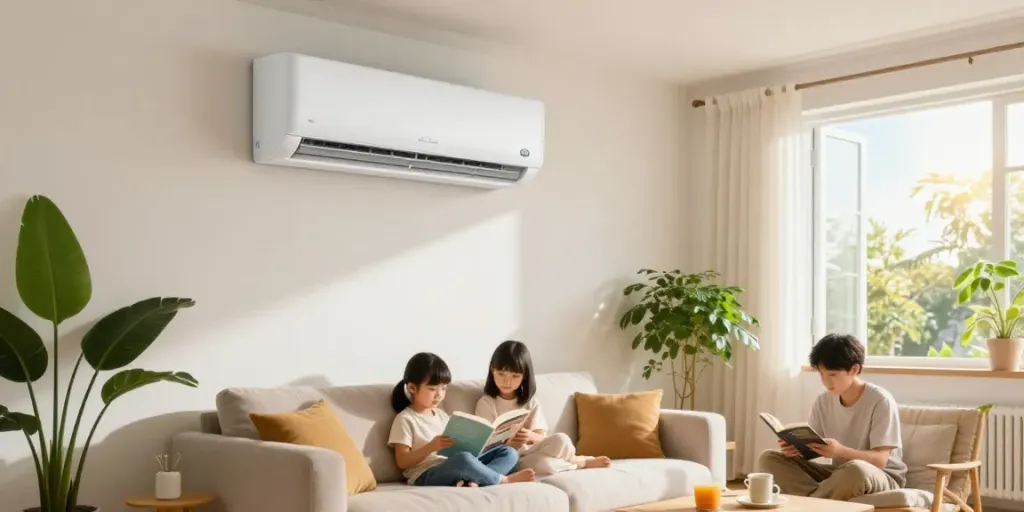
- Indoor Unit: Available in various styles (wall-mounted, ceiling-mounted, or floor-mounted), indoor units distribute conditioned air into the living spaces. Each indoor unit can operate independently, allowing for individualized temperature settings.
- Refrigerant Lines: These lines connect the outdoor and indoor units, carrying refrigerant to absorb and release heat as needed.
- Remote Control: Most mini splits come with a remote control for easy temperature adjustment and programming.
Advantages Over Traditional HVAC Systems
Mini split systems offer several benefits compared to traditional centralized air conditioning systems:
- Energy Efficiency: Mini splits typically boast higher energy efficiency ratings (SEER) than conventional systems, leading to lower utility bills.
- Flexible Installation: Without the need for ductwork, installation is generally quicker and less invasive, which can translate to lower installation costs.
- Zoning Capability: Each indoor unit can be controlled independently, allowing users to cool or heat specific areas as needed, reducing energy waste.
- Reduced Noise: Mini splits operate quietly, with the noisier components located outside, ensuring a comfortable indoor environment.
Cost Considerations for Mini Split AC Installations
Understanding the financial implications of investing in a mini split AC system is critical for potential buyers. Depending on various factors including unit size, complexity of installation, and specific climate conditions, costs can vary.
Typical Installation Costs: Budgeting for Quality
The installation cost of a mini split AC system can range significantly based on the brand, capacity, and specifics of the installation site. On average, homeowners can expect to pay between $3,000 to $5,000 for a complete system, including both indoor and outdoor units. Higher-end systems with advanced features may cost upwards of $8,000. It's advisable to obtain multiple quotes from licensed HVAC contractors to ensure competitive pricing.
Long-Term Savings: Energy Efficiency Analysis
While the initial investment may seem significant, the energy savings over the lifespan of a mini split AC system can be substantial. Most ductless systems operate at SEER ratings of 20 or higher, significantly lowering monthly electricity bills. Potential users should consider the long-term benefits, as many systems can pay for themselves in energy savings within a few years.
Financing Options and Incentives Available
Many states and local utilities offer rebates and incentives for installing energy-efficient HVAC systems, including mini splits. Additionally, financing options are available from various home improvement lenders and HVAC contractors, allowing homeowners to spread the cost of their investment over time. Researching available incentives can help reduce the upfront costs associated with purchasing a mini split AC system.
Common Misconceptions about Mini Split Systems
Despite their growing popularity, several misconceptions about mini split systems persist. Understanding these can help potential buyers make informed decisions.
Noise Levels: What to Really Expect
One common myth is that mini split systems are excessively noisy. In reality, most indoor units operate at sound levels equivalent to a quiet library, typically ranging from 20 to 40 decibels. This makes them one of the quieter options available for home cooling and heating. However, it's essential to choose models with low noise ratings if this is a concern.
Maintenance Myths and Best Practices
Another misconception is that mini split systems are high-maintenance. In fact, they require less maintenance than traditional systems. Regular cleaning of the filters and occasional servicing of the outdoor unit is sufficient to keep them running efficiently. Users should check filters every couple of months and clean them as necessary.
Space Limitations and Design Flexibility
Many people believe mini split systems are only suitable for specific types of homes. In reality, they are versatile and can be installed in a variety of settings, including residential homes, offices, and even historical buildings where ductwork cannot be installed. With options like concealed indoor units, mini splits can blend seamlessly with interior design.
Best Practices for Maximizing Efficiency
To ensure optimal performance and longevity of a mini split AC system, homeowners should follow several best practices.
Optimal Installation Techniques for Performance
Proper installation is key to the efficiency of mini split systems. It's crucial to have these systems installed by a certified HVAC professional who can evaluate factors like room size and insulation to choose the right equipment. Additionally, ensuring that refrigerant lines are properly insulated will improve efficiency.
Temperature Settings and Usage Tips
Setting the temperature at around 75°F during the summer and 68°F in the winter is generally recommended for optimal comfort and efficiency. Homeowners should avoid setting the temperature drastically lower or higher than the desired outcome to prevent excessive energy consumption.
Seasonal Maintenance Must-Dos
Routine maintenance is vital for ensuring a mini split system operates at peak efficiency. It is advisable to schedule professional servicing at least once a year, where technicians can inspect, clean, and adjust the system. Homeowners should also regularly check and clean the indoor unit filters to maintain airflow.
The Future of Mini Split AC Systems
The mini split AC system continues to evolve with advancements in technology and changing consumer preferences. As we look towards the future, several key trends are emerging.
Emerging Technologies and Innovations
Smart home technology integration is becoming a staple in new mini split systems. Features like Wi-Fi connectivity and app-based controls allow users to manage their systems remotely, enhancing convenience and efficiency. Additionally, advancements in inverter technology are making systems more efficient by adapting to the cooling or heating needs of a space in real-time.
Environmental Impact and Sustainability Trends for 2026
As focus grows on sustainability, manufacturers are increasingly prioritizing eco-friendly refrigerants and energy-efficient designs. The push for low-global warming potential (GWP) refrigerants is set to reshape the industry landscape, aligning with regulations aimed at reducing the carbon footprint of HVAC systems.
Consumer Preferences and Market Predictions
Consumer demand for customizable climate solutions is driving growth in the mini split market. As homeowners seek energy-efficient solutions that provide flexibility and control, mini split systems are positioned to command a significant market share in the coming years.
What are the downsides of a mini split AC system?
While mini split systems offer numerous advantages, potential downsides include the initial cost of installation and the aesthetic impact of indoor units. Additionally, if not installed correctly, they can lead to inefficiencies.
What is the typical cost of installing a mini split system?
The cost of installing a mini split system varies widely based on factors such as the number of zones to be cooled or heated, as well as the choice of system. On average, homeowners should budget between $3,000 and $5,000 for a standard installation.
Is a mini split AC system worth the investment?
For many homeowners, the benefits of energy efficiency, flexibility, and cost savings make the investment in a mini split AC system worthwhile, particularly over the long term.
Can mini split systems also heat spaces?
Yes, mini split systems function as heat pumps, meaning they can efficiently provide heating in addition to cooling. This dual functionality can enhance their value, particularly in regions with moderate heating needs.
How do mini split systems compare to central air conditioning?
Compared to central air conditioning systems, mini splits are generally more energy-efficient, easier to install, and provide zoning capabilities. While central systems typically require extensive ductwork, mini splits offer a less invasive solution that can adapt to specific cooling needs.